
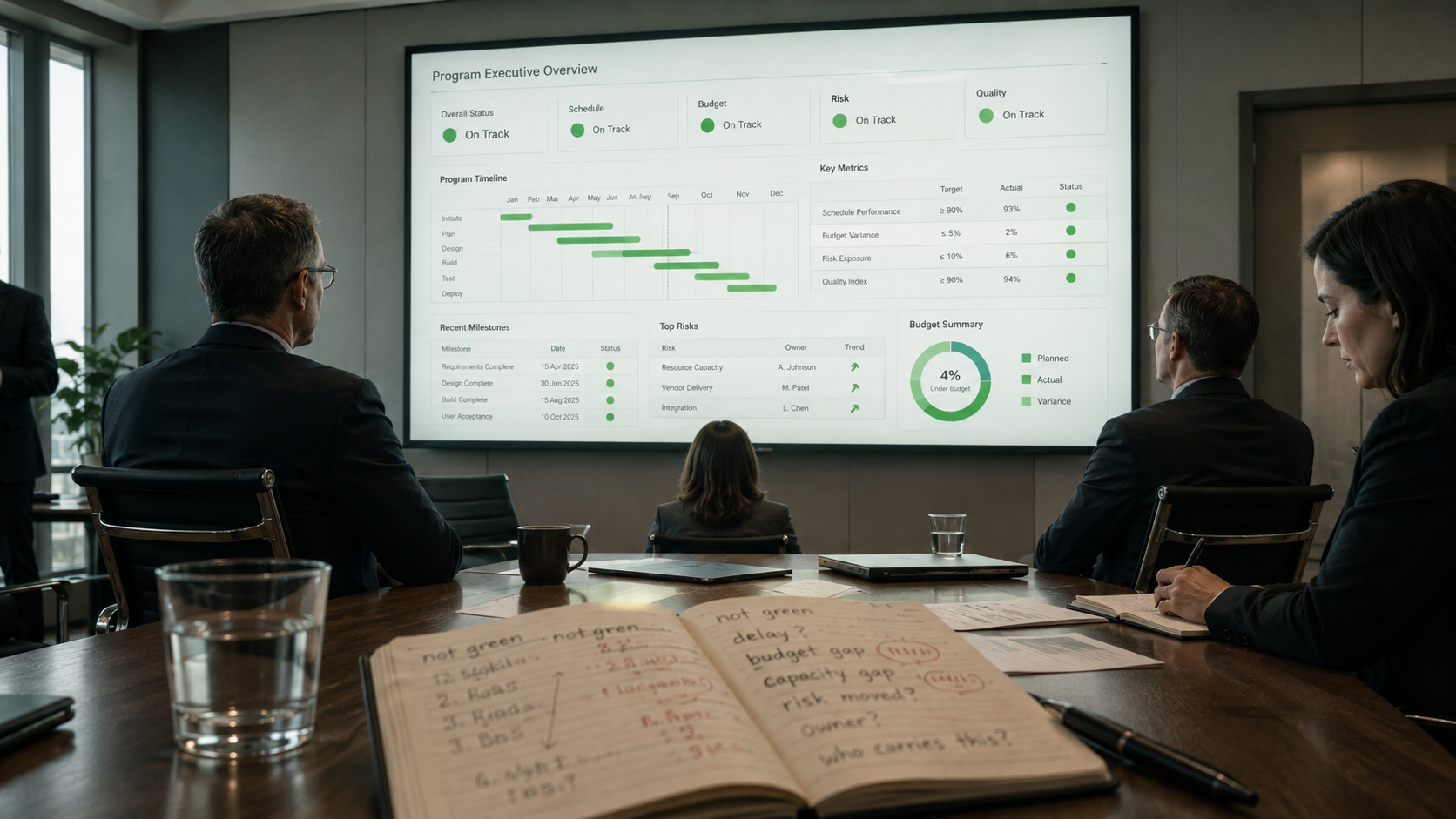
The dashboard was all green. It wasn't.
The dashboard was all green. It wasn't.
I've sat in rooms where the pressure to match the energy around you is more powerful than the pressure to tell the truth. Here's what that costs — and the one habit that fixes it.

Keeping the Peace Is Costing You More Than You Think
Keeping the peace may make a difficult conversation feel easier in the moment, but it can quietly damage trust. This post explains how to deliver bad news clearly, name the risks, preserve the other person’s ability to decide, and protect the relationship when the room gets uncomfortable.

Confidence Under Pressure Is Built Before You Need It
Confidence under pressure does not appear because a negotiation becomes important. It is built before the moment arrives through difficult conversations, controlled pressure reps, and evidence that you can stay composed when the room gets tense.

Some Agreements Are Too Smooth to Be Trusted
Some agreements are too smooth to be trusted. When scope, risk, accountability, and commercial pressure are softened to preserve momentum, conflict does not disappear. It waits. Durable agreements are built by naming the tension early, testing assumptions, and repairing the fracture lines in plain sight before pressure exposes them later.
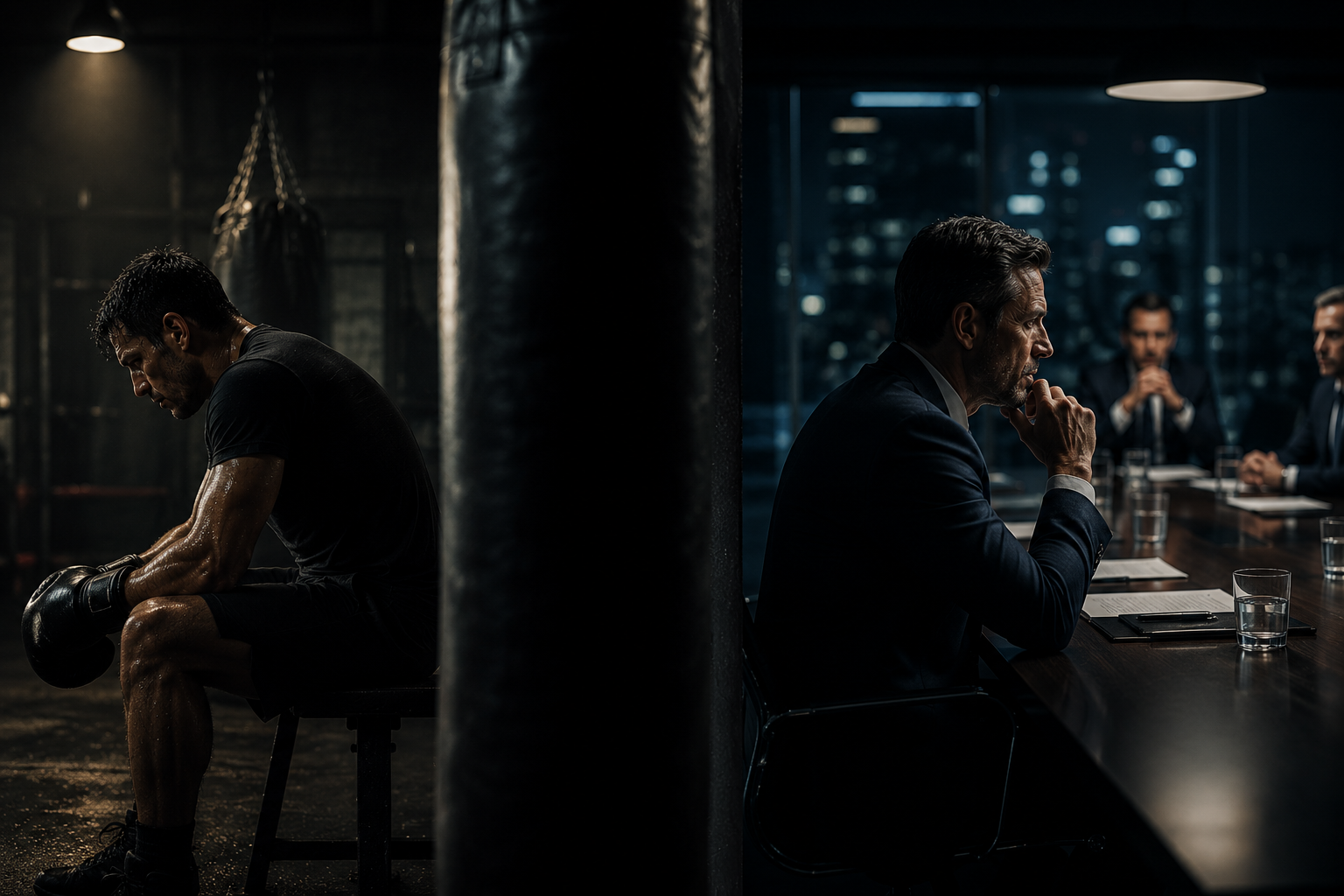
You Don’t Rise to Your Tactics. You Fall to Your Conditioning.
A fighter who looks great on a heavy bag may struggle when facing a resisting opponent. Negotiation follows the same principle. This article examines why pressure changes behavior, why tactics often break down under stress, and why conditioning matters more than most negotiators realize.
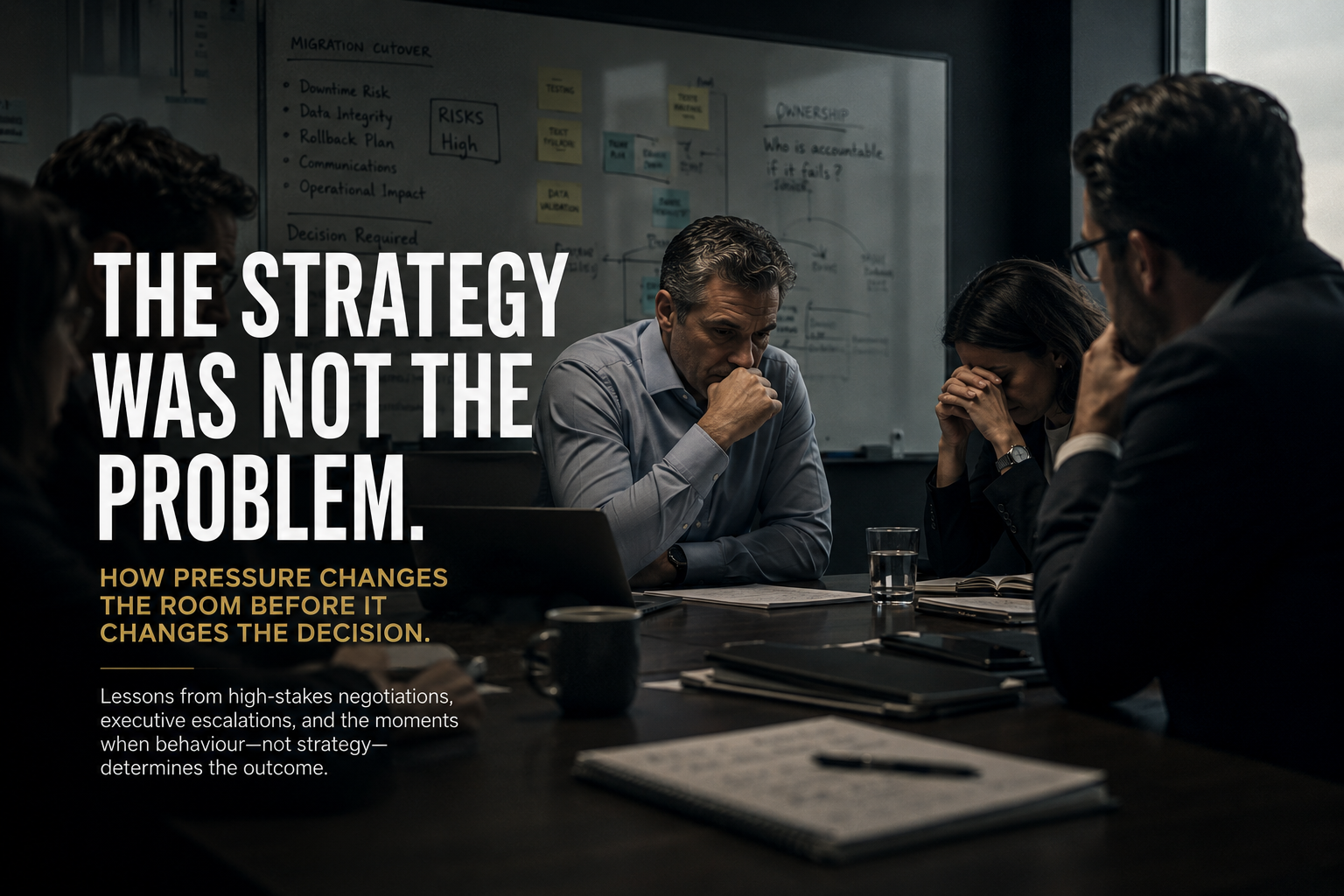
The Strategy Was Not the Problem
Most negotiations do not fail because the strategy was weak. They fail when pressure changes behaviour inside the room. This article examines how emotional pressure impacts decision-making during executive escalations, crisis discussions, and high-stakes negotiations, and why composure, behavioural discipline, and operational clarity matter as much as preparation.
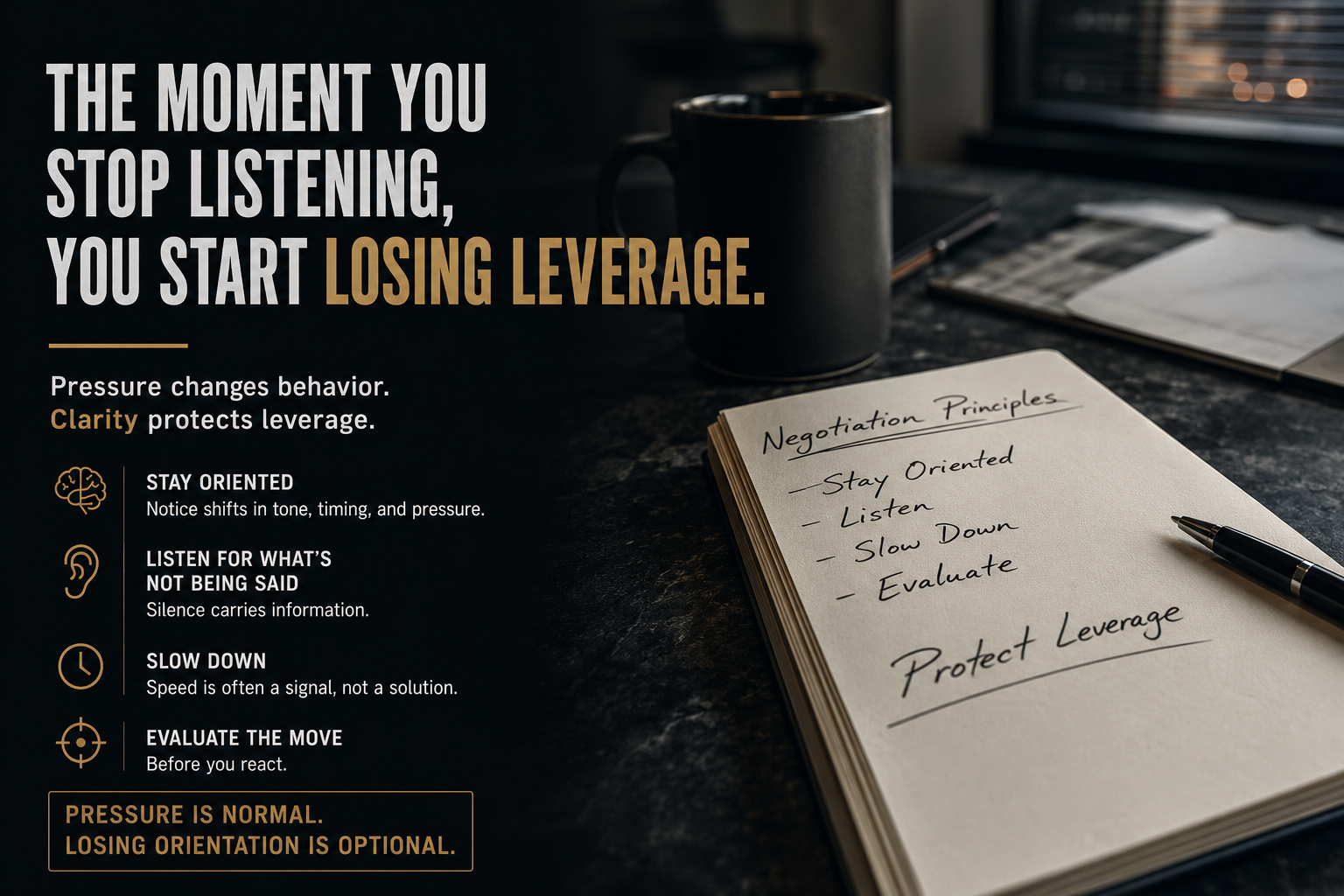
The Moment Negotiators Start Negotiating Against Themselves
Most negotiations do not collapse because of bad tactics. They deteriorate when pressure starts affecting judgment. In this article, Andrew Netschay explores how fear, silence, uncertainty, and perceived loss change behavior inside high-stakes negotiations, and why experienced negotiators train emotional regulation as seriously as strategy.

You’re Not Under Attack. Your Body Thinks You Are.
Most negotiations don’t fail on strategy or logic. They fail when pressure triggers a fight, flight, or freeze response. Learn how to recognize and control your nervous system so you can stay composed, think clearly, and negotiate effectively under pressure.
Feeling Underestimated in a Negotiation? That Is Where the Decision Can Shift
Late-stage deal.
Incumbent already in place.
You are not being evaluated.
You are being filtered.
Most respond by proving capability.
That keeps them in the wrong frame.
The decision does not shift until the risk is exposed.
This is how you change the conversation.
How to Prepare for a Tough Negotiation: A Practical Framework to Reduce Fear and Improve Outcomes
High-stakes negotiations create pressure because the outcome feels uncertain. When the downside is unclear, fear increases and judgment narrows. This practical negotiation preparation framework helps founders and executives reduce fear by defining the worst-case outcome, evaluating probability, and preparing strategies that bring clarity before entering the room.
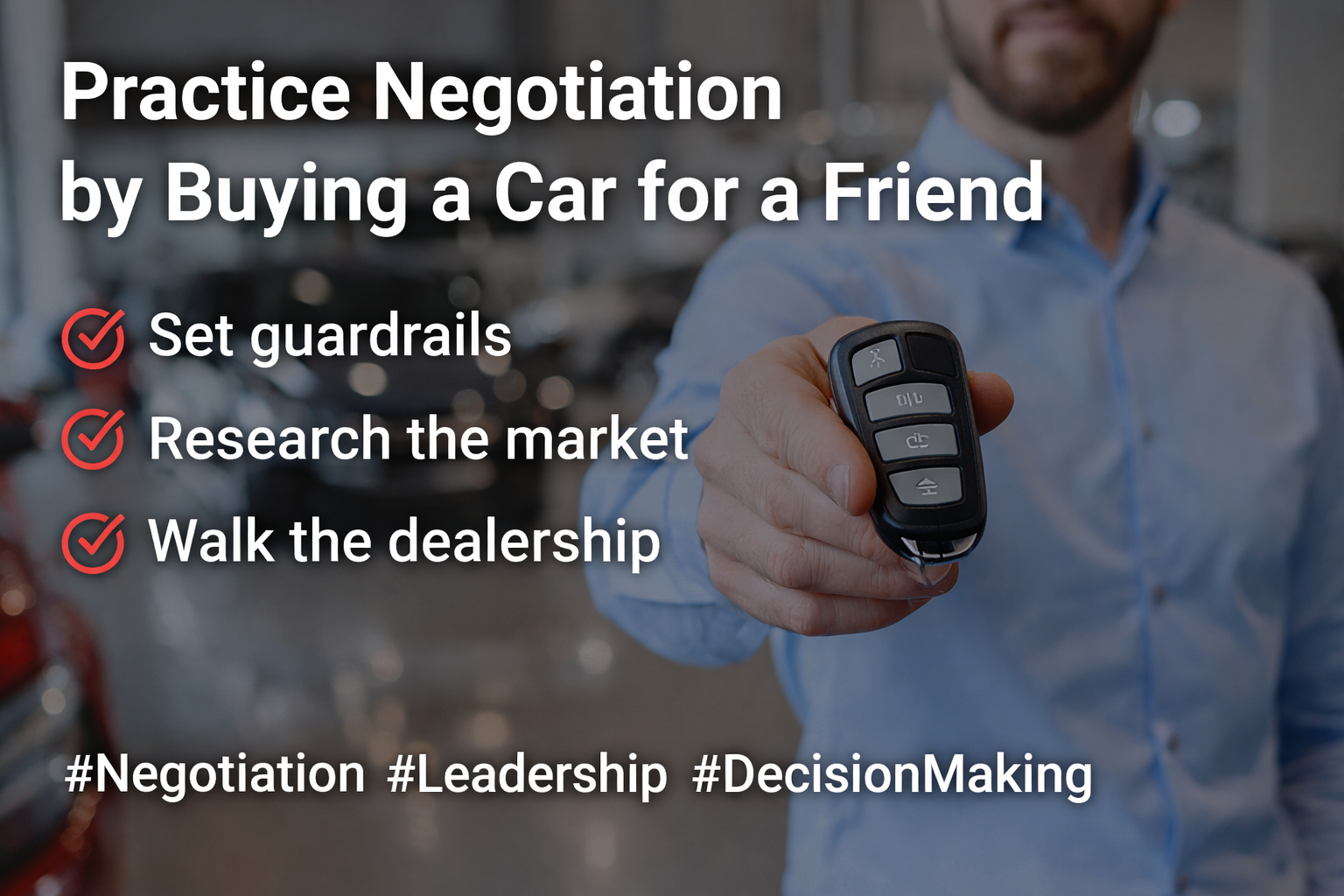
Why Emotional Detachment Improves Negotiation Performance
Negotiation skill rarely develops under pressure.
A simple exercise can change that. Help a friend negotiate the purchase of a car.
With clear parameters and no emotional attachment to the vehicle, you can observe tactics, read the environment, and practice disciplined decision-making. Each attempt becomes a real negotiation rep before the stakes are higher.
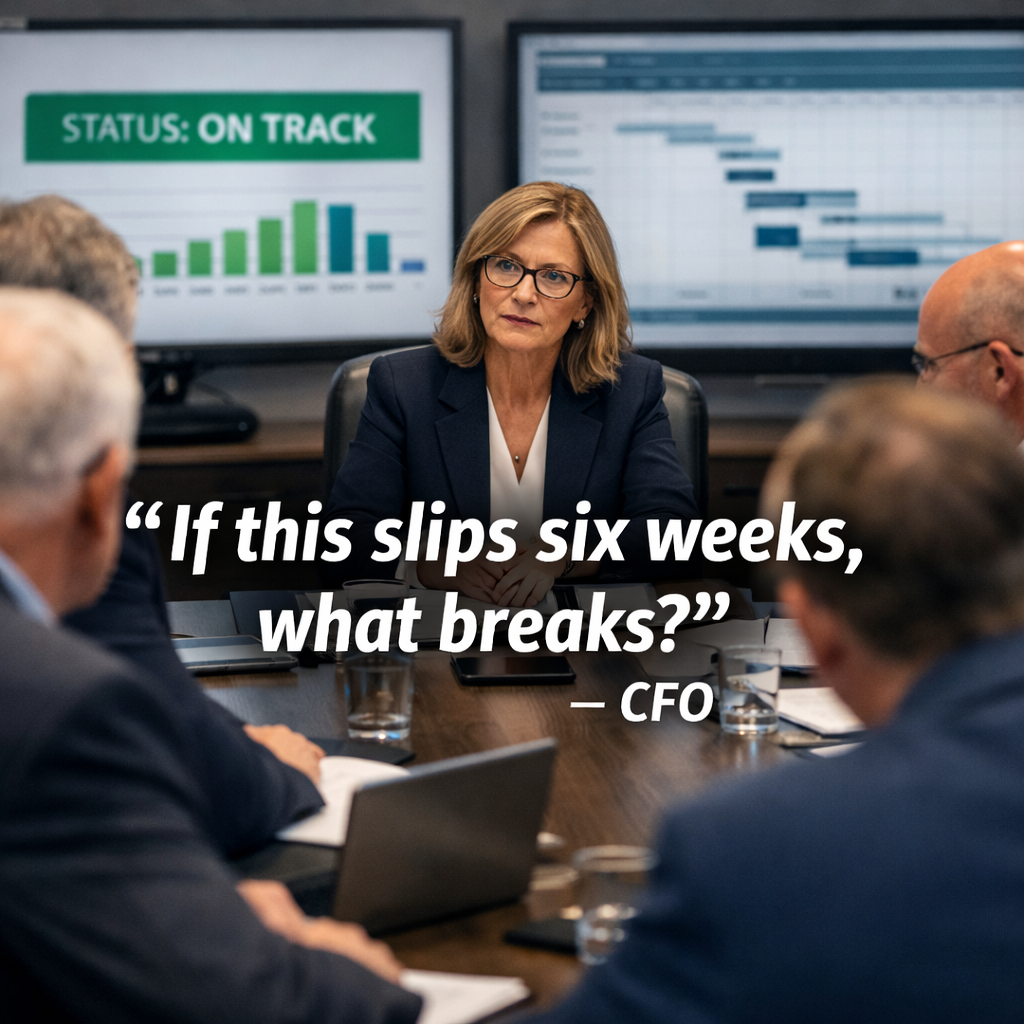
High-Stakes Negotiation and Leadership: Why You Default to Your Training
A CFO asks a simple question in a $40M steering committee meeting: “If this slips six weeks, what breaks?” In high-stakes negotiations and leadership environments, pressure exposes preparation. When stress rises, you don’t suddenly become sharper. You default to your training.
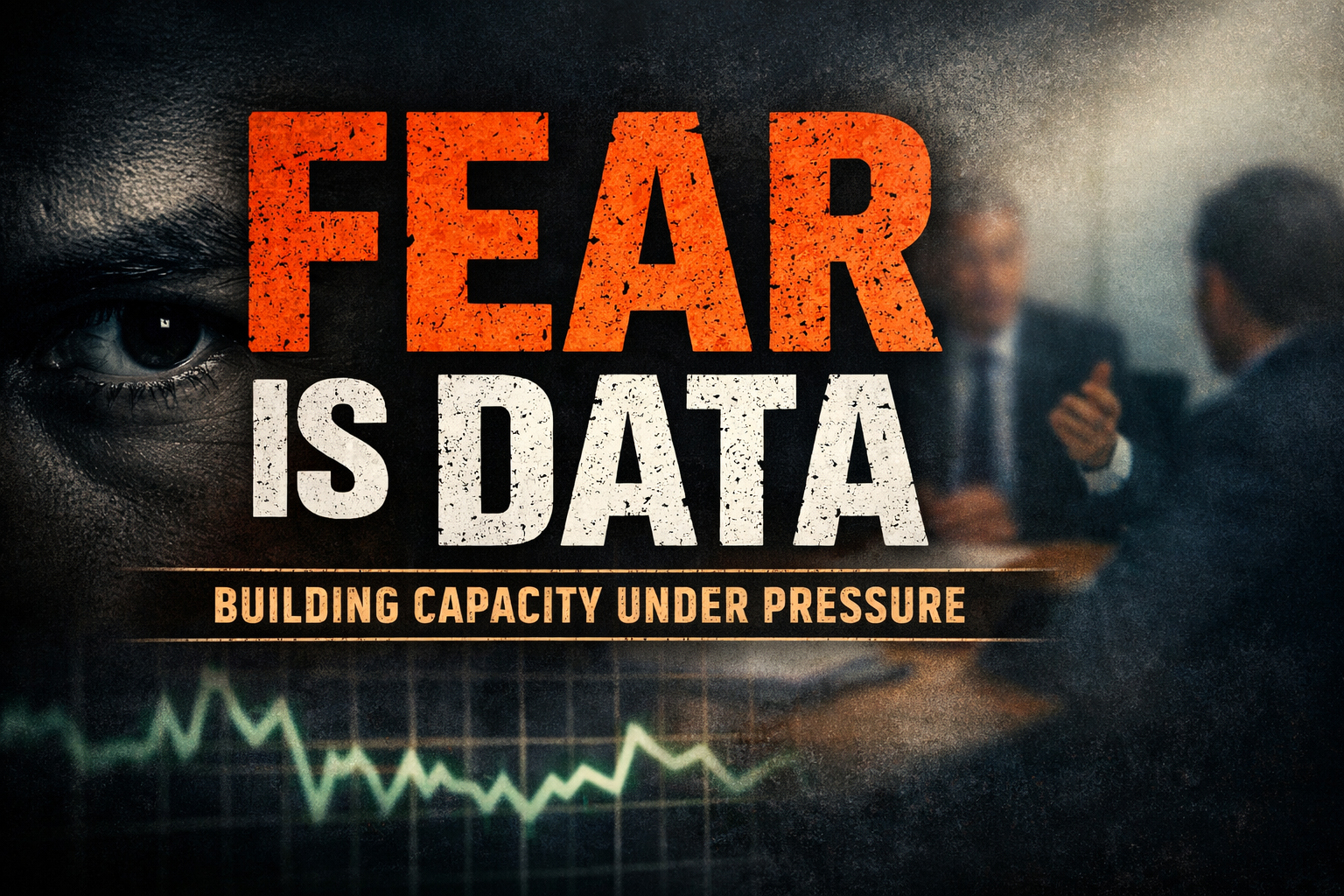
Fear Is Data: How Negotiation Training Builds Capacity Under Pressure
Fear shows up early in negotiation. Before the numbers move and before anyone asks for a concession, your nervous system reacts to the pressure in the room. Experienced negotiators do not try to eliminate that reaction. They treat it as information. In this article, we examine why fear is data, how pressure affects decision-making, and how negotiation training builds the capacity to stay steady when the stakes are high.
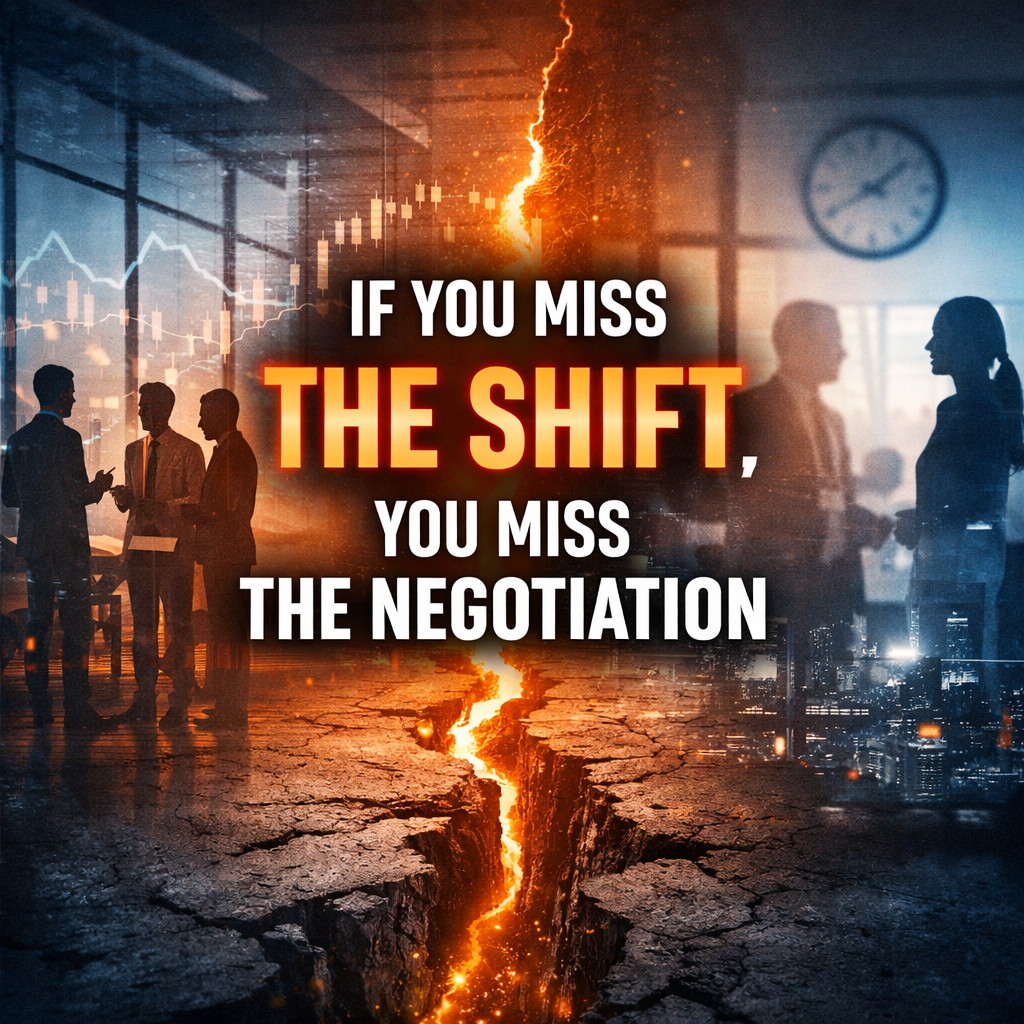
If You Miss the Shift, You Miss the Negotiation
Negotiation rarely begins when people think it does.
By the time positions are stated, leverage has already moved.
Priorities shifted.
Constraints hardened.
Decisions were shaped quietly, upstream.
This piece breaks down how to recognize those early signals, why timing creates leverage, and what changes when you learn to act before urgency arrives.
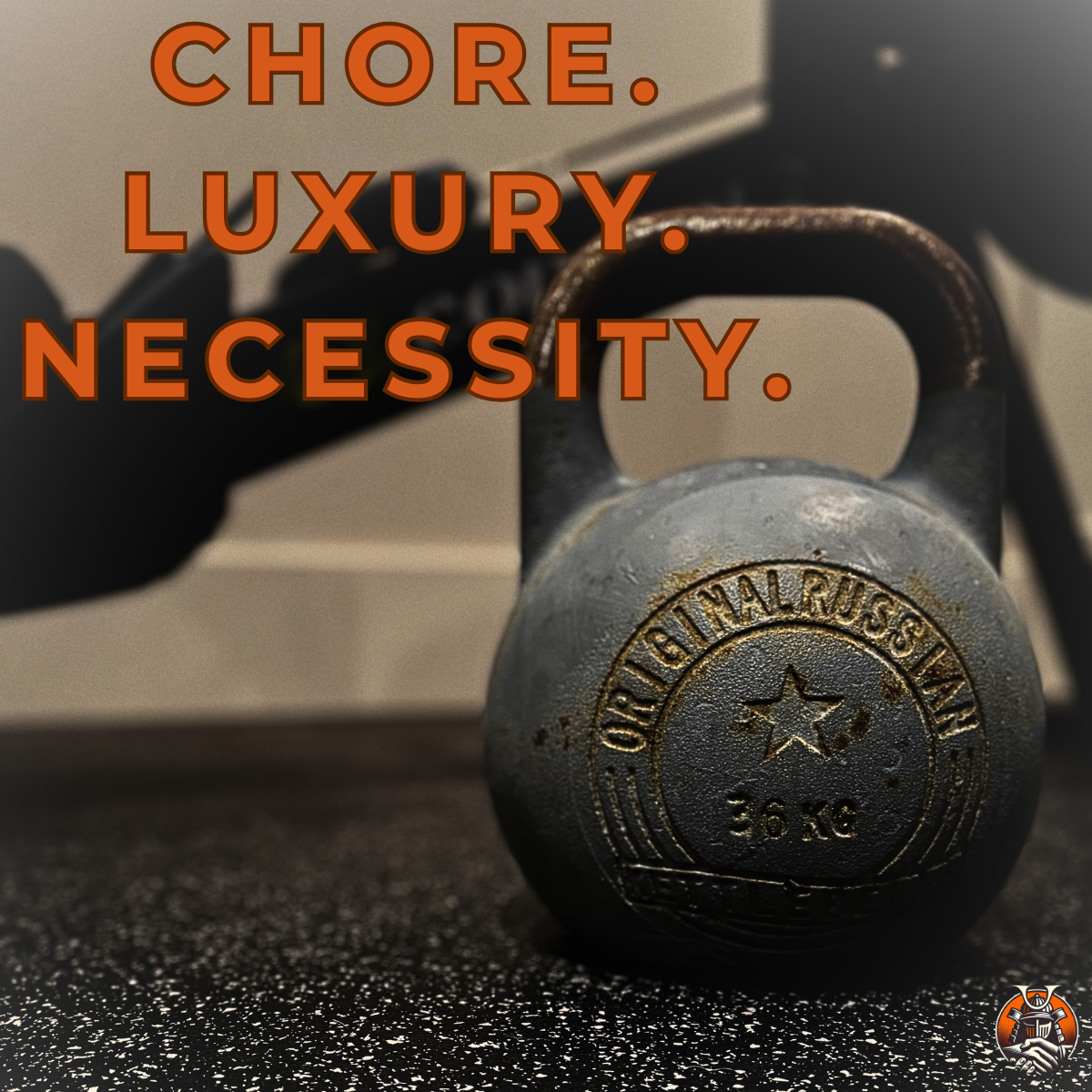
Chore. Luxury. Necessity.
Daily exercise shifted from chore to luxury; and eventually to necessity.
This post explains how a simple habit protects clarity, steadiness, and decision quality when pressure rises.
The Real Payoff of Preparation
Preparation buys you clarity.
Clarity supports confidence.
And when pressure rises, composure becomes your strongest form of preparation.
Read how great negotiators turn time and structure into calm authority.
Rehearse and Verify: Confidence Built on Evidence
Rehearsal is not performance. It is quality control.
Record, review, and verify before you negotiate.
Accuracy builds credibility.
Credibility builds trust.
Understand Their World; Empathy as Strategy
Empathy isn’t weakness; it’s awareness.
It reveals motives, exposes pressure, and builds trust.
When you understand the other side’s world, you gain the intelligence to negotiate with precision and influence.
That’s how planned negotiations evolve into partnerships.

Build Your Framework
A strong negotiation doesn’t rely on improvisation — it relies on structure. Learn how to define outcomes, identify alternatives, clarify your BATNA, and schedule pause points to stay composed when pressure peaks.

Master Your State: The Hidden Skill Behind Negotiation Confidence
Before you prepare your pitch, prepare yourself.
Your emotional state sets the tone for every tough conversation and negotiation.
Grounded leaders don’t just communicate better; they think better.
Composure isn’t luck. It’s training.